Spiritual Life
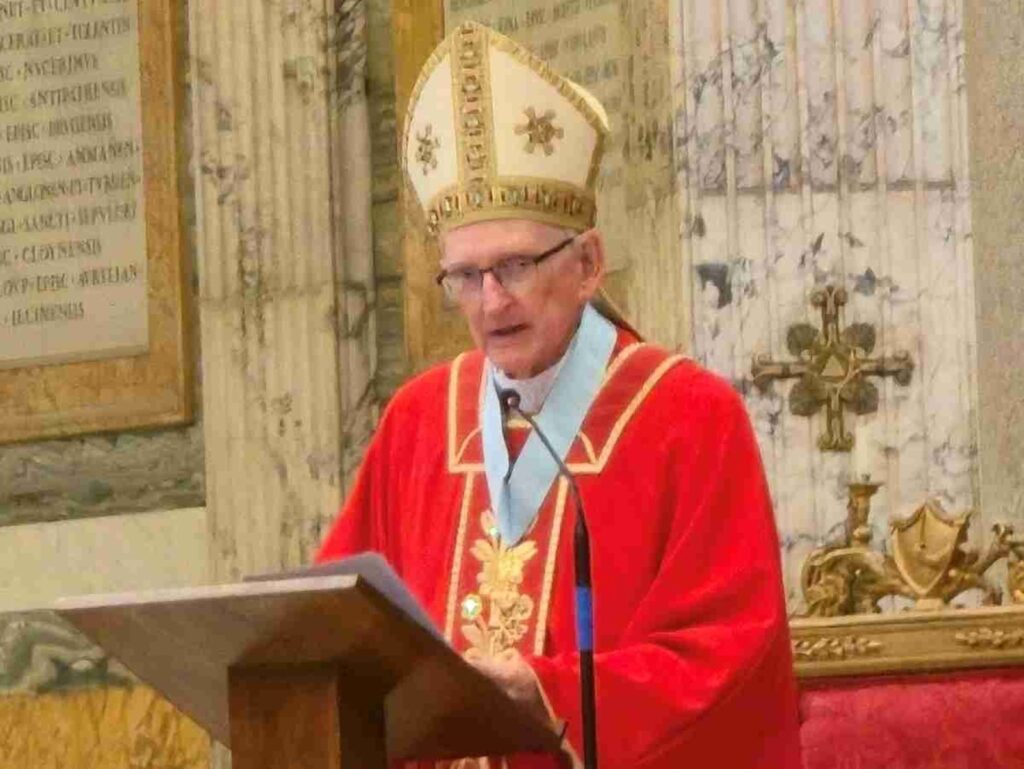
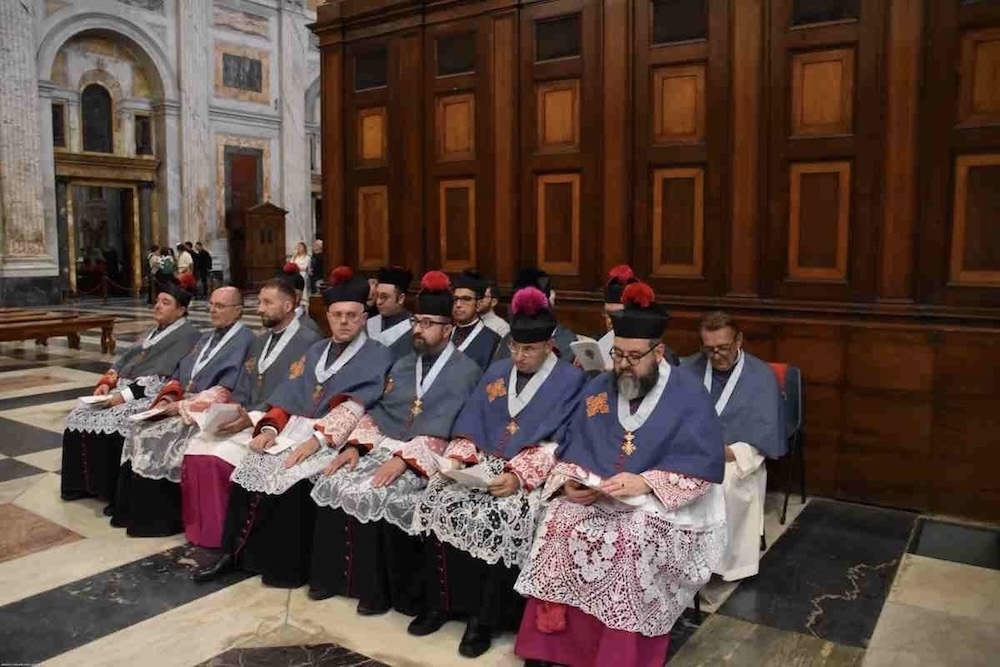
The spiritual life of the Order is essentially shaped by the spirituality of the Church. Prayer, liturgy, and participation in the sacraments form the foundation of the shared religious life of the Order and unite the Knights and Dames in the tradition of Christian chivalry. Within this spiritual context, the liturgical dimension of the Order’s life holds particular significance. The participation of Knights and Dames in divine services – especially in the Holy Sacrifice of the Mass – therefore constitutes a central element of the life and mission of the Order. The goals of the Order’s community include the preservation of the faith, the defense of the Catholic Church, and the support of the Holy See. The members of the Order consider themselves bound in loyalty and devotion to the Holy Father and to the teachings and dogmas of the Roman Catholic Church.
The members of the Order actively participate in the religious expressions of ecclesiastical and public life. These include in particular the processions of Holy Week and the Feast of Corpus Christi, as well as the liturgical celebrations of the respective dioceses and local communities. Special significance is accorded to the festivities in honor of Saint George, the patron saint of the Order.
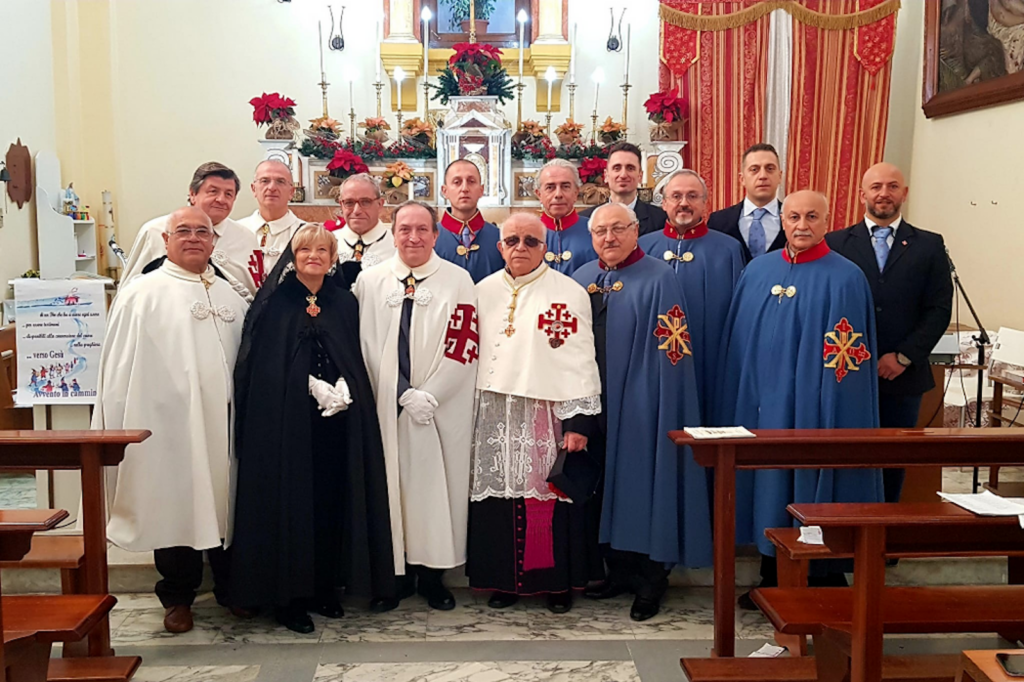
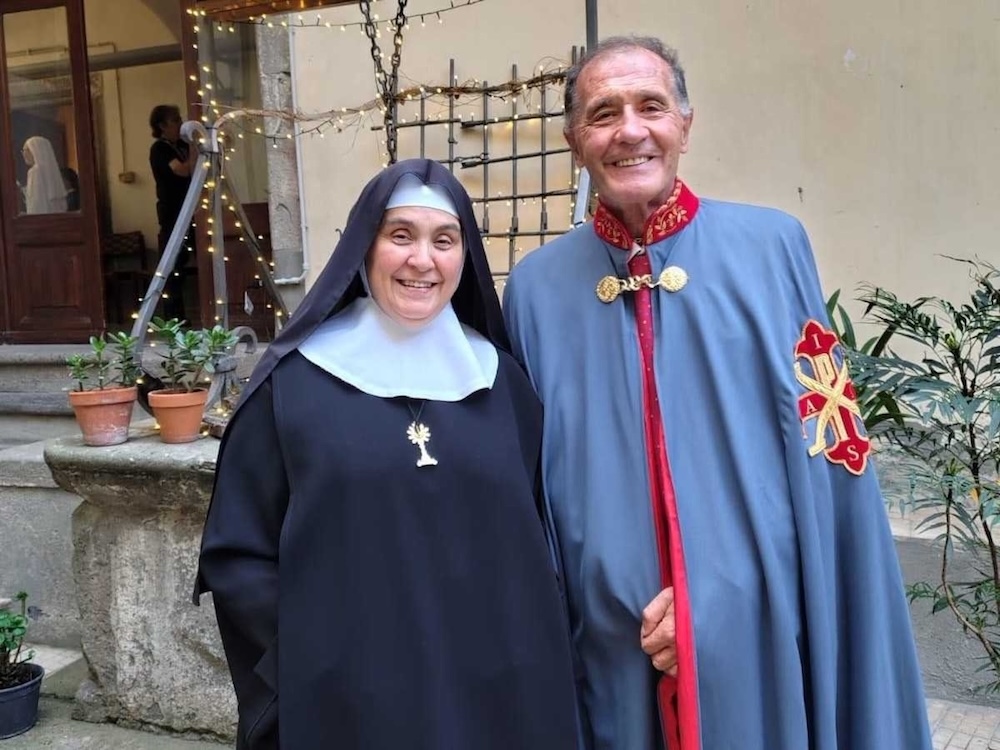
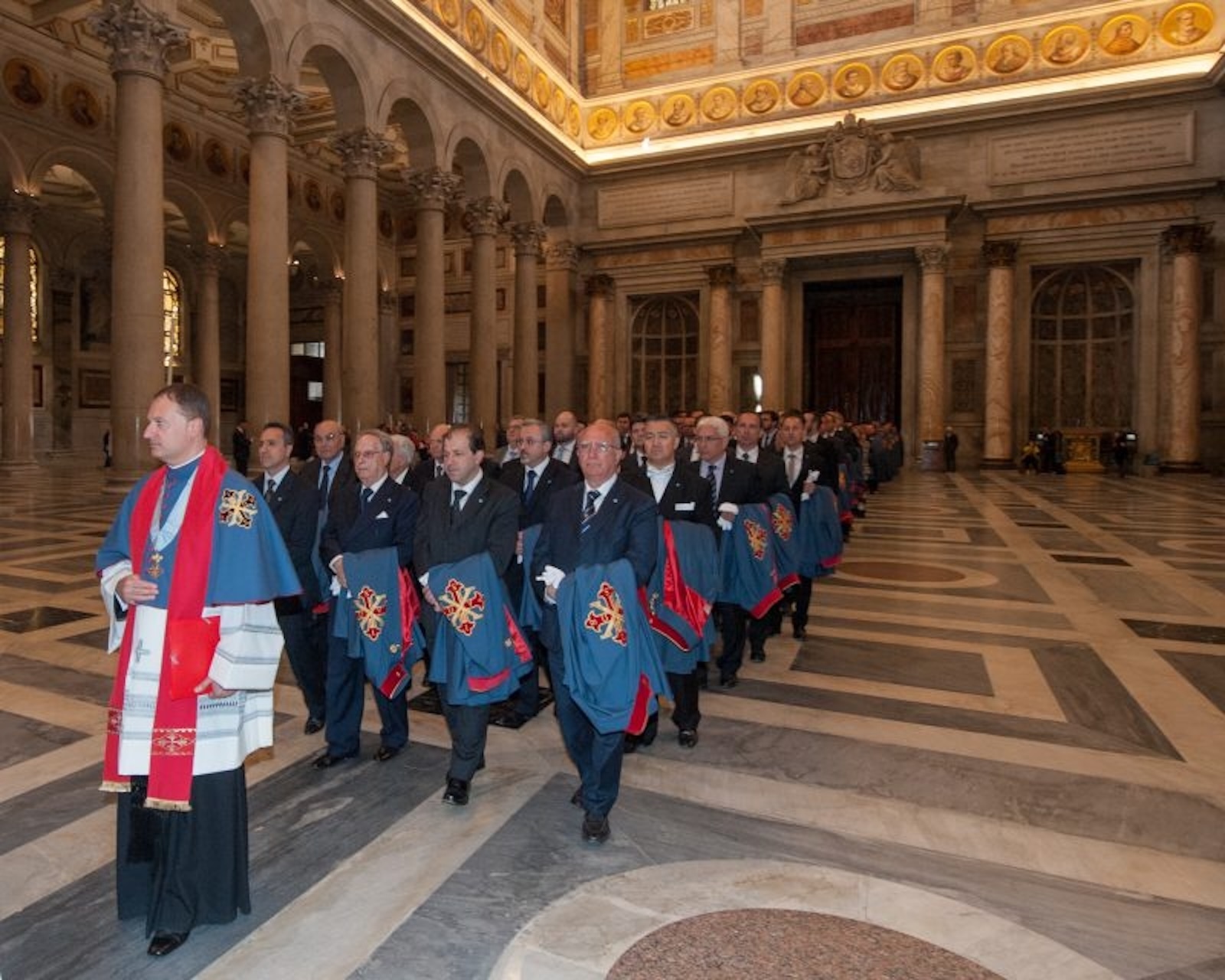
Magistral Seat of the Order
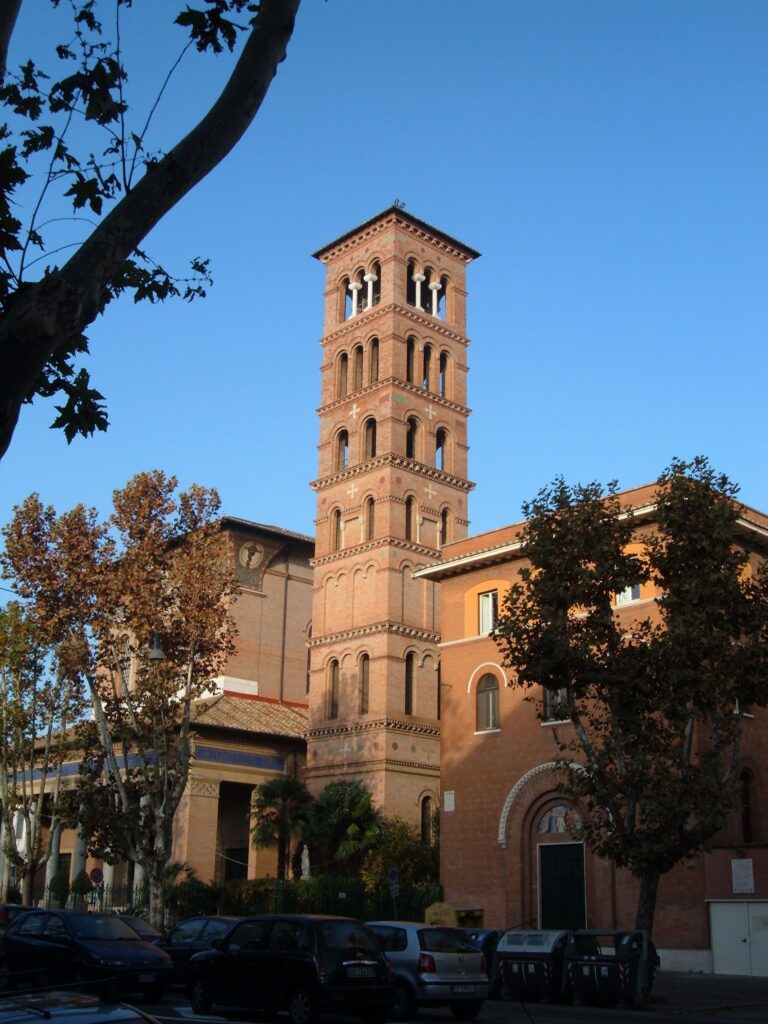
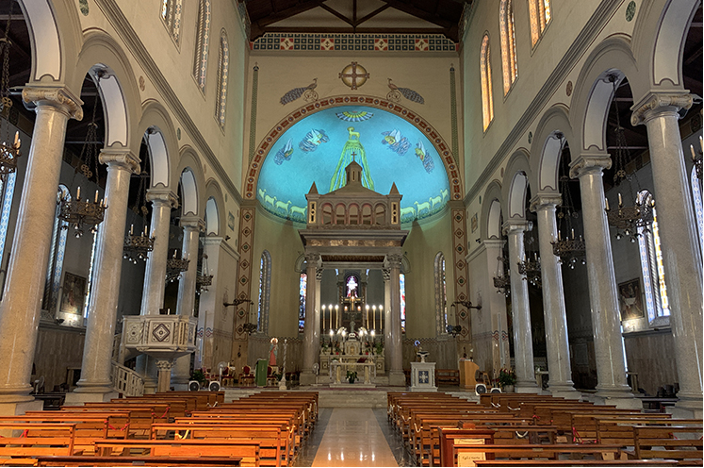
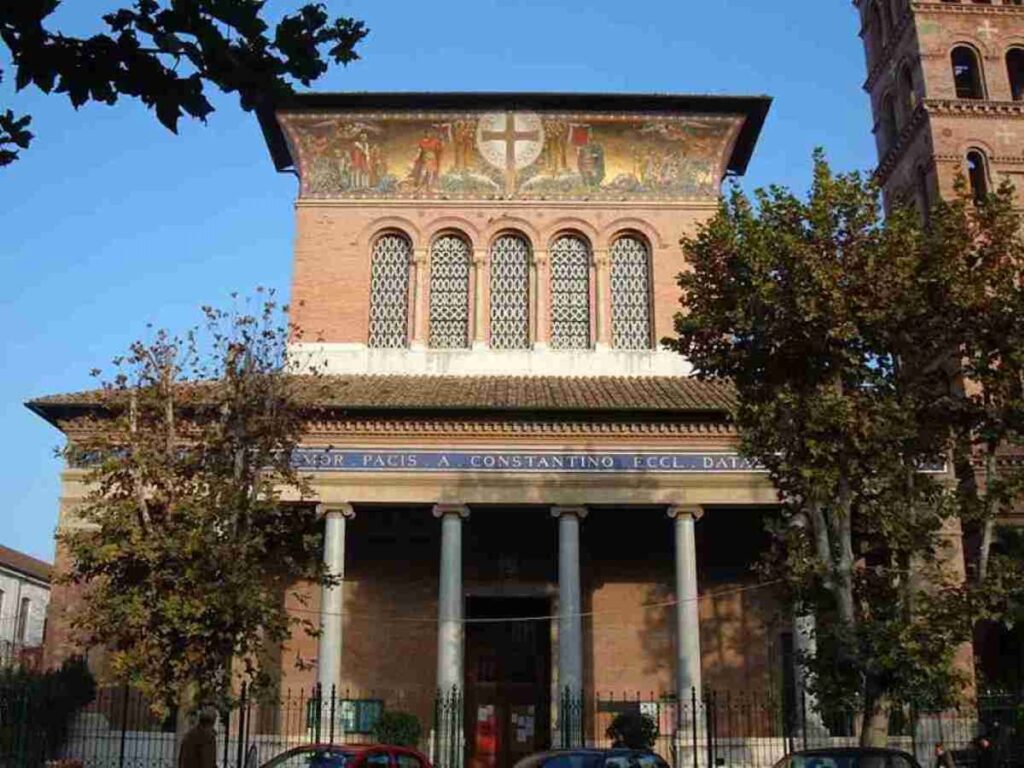
The canonical magisterial seat of the Order is the Chapel of Saint George in the Basilica of Santa Croce al Flaminio in Rome, erected between 1912 and 1918 with the support of the Constantinian Order. Here the Order celebrates its two principal solemnities: the Feast of the Exaltation of the Holy Cross (14 September) and the Feast of Saint George (23 April).
Chapels of the National Commissions
The members of the Order take an active part in the religious expressions of ecclesiastical and public life, including the processions of Holy Week and Corpus Christi, as well as the liturgical celebrations of their respective dioceses. The national commissions and delegations maintain their own chapels in cathedrals and basilicas throughout the world, which serve as spiritual centres for their members.
Prominent amongst these are the Chapel of the Visitation and the Chapel of Saint George in the Military Church of Barcelona; the Military Cathedral of Madrid; the Cathedral of Nola; the Cathedral of Notre-Dame in Luxembourg; the Basilicas of the Santissima Annunziata in Florence and of Saint Anthony in Padua; and the Basilica of Nossa Senhora dos Mártires in Lisbon, to whose associated hospice the Portuguese Commission has contributed. Further sites include the Church of the Assumption in Chiaia near Naples and the Church of the Most Holy Trinity with the Augustinian monastery in Viterbo.
Furthermore, the liturgical celebrations of the Order are regularly held at other significant ecclesiastical sites, amongst them the Military Cathedral of Madrid, the Cathedral of Nola in the Province of Naples, the Cathedral of Notre-Dame in Luxembourg, the Basilica of the Santissima Annunziata in Florence, the Basilica of Saint Anthony in Padua, and the Basilica of Nossa Senhora dos Mártires in Lisbon, to whose associated hospice the Portuguese Commission of the Order has contributed. Further sites include the Church of the Assumption in Chiaia near Naples and the Church of the Most Holy Trinity with the adjoining monastery of the Augustinian Hermits in Viterbo.
The Principal Feasts of the Order
The most solemn feast of the Order — and at the same time its titular feast — is the Feast of the Exaltation of the Holy Cross, observed on the 14th of September. Although the Order bears the name of Saint George, the Cross constitutes the central spiritual symbol that has defined its identity since its very origins. This is traced to the Emperor Constantine the Great, who, according to tradition, received a vision of the Cross before the decisive Battle of the Milvian Bridge in the year 312, accompanied by the words “In hoc signo vinces” — “In this sign thou shalt conquer.” This event became the founding legend of the Order and remains enshrined in its motto to this day. The Feast of the Exaltation of the Holy Cross, one of the most ancient feasts of the Christian liturgy, has its origin in the consecration of the church complex commissioned by Constantine in Jerusalem at the site of the Crucifixion and Entombment of Christ. It is further associated with the memory of the Finding of the True Cross of Christ, which tradition attributes to the Empress Helena, the mother of Constantine the Great. The True Cross was each year solemnly elevated and displayed to the assembled faithful on the 14th of September, who venerated it with acclamations. Helena is specially honoured within the Order as its principal patroness; her feast day in the Latin Rite falls on the 18th of August, whilst in the Eastern Church she is celebrated together with her son Constantine as “Equal to the Apostles” on the 21st of May.
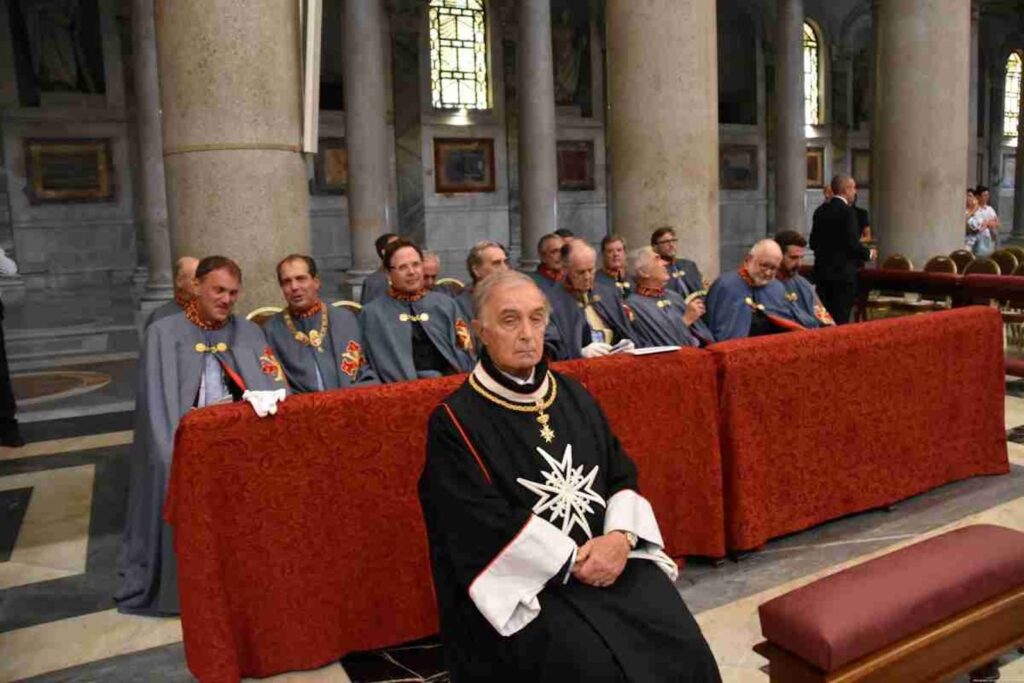
Saint George is honoured with particular solemnity as the principal patron of the Order on the 23rd of April. According to tradition, George was an officer of the Roman Praetorian Guard from Cappadocia who suffered martyrdom at Nicomedia around the year 303, having professed the Christian faith. Even during the lifetime of Constantine, a church was consecrated to him at Lydda in Palestine, where his relics repose. In the course of the Middle Ages, George became the most widely venerated saint of Western chivalry — not least through the celebrated legend of the dragon-slayer, which has been widespread since the twelfth century and embodies the ideal of the Christian knight: the struggle against evil under the sign of the Cross and the Faith. Investitures of new members of the Order frequently take place within the framework of the Feast of Saint George on the 23rd of April.
On the 8th of December, the Solemnity of the Immaculate Conception, the Blessed Virgin Mary is venerated as patroness of the Order. This connection is of particular historical depth: the definition of the dogma of the Immaculate Conception by Pope Pius IX in the year 1854 came about not least under the influence of the Houses of Bourbon-Sicily, which had been devoted to this devotion for centuries. Already on the Feast of the Immaculate Conception in the year 1816, the two Kingdoms of Naples and Sicily had been united into the Kingdom of the Two Sicilies, the Immaculate Conception being proclaimed the patron of the realm. In addition, the Order venerates Our Lady, in accordance with its ancient statutes, on the Feast of the Assumption (the 15th of August) and on the Feast of the Nativity of the Blessed Virgin Mary (the 8th of September).
A further patron of particular significance is Saint Anthony the Abbot (Anthony the Hermit), whose memorial is observed on the 17th of January. In Naples, the Order was entrusted in the eighteenth century by Pope Pius VI with its own church under this patronage, which thereafter served as the conventual church of the Order. Saint Basil the Great, Doctor of the Church and legislator of monasticism, is likewise closely bound to the Order: his monastic rule was adopted by the members of the Order and continues to be cited in letters of admission to this day.
Alongside the principal feasts, further spiritual traditions shape the life of the Order. The Order also organises regular pilgrimages — for example to the Sanctuary of Our Lady of Good Counsel at Genazzano — and the solemn reception of new members frequently takes place within the framework of the aforementioned feasts and liturgical celebrations.