Cultural Engagement of the Order
Culture as a Mission
The Order is an international Roman Catholic order of chivalry, devoted for centuries to charitable, humanitarian and cultural activities in close association with the Catholic Church and in accordance with Catholic principles. The Order endeavours to exert an influence upon the world of today through the love of one’s neighbour – including the promotion of culture as both a material and an intangible heritage. This sense of purpose manifests itself in a dense network of institutional structures, educational programmes, research collaborations, publishing projects, exhibitions and a diplomatic presence that now extends across three continents.
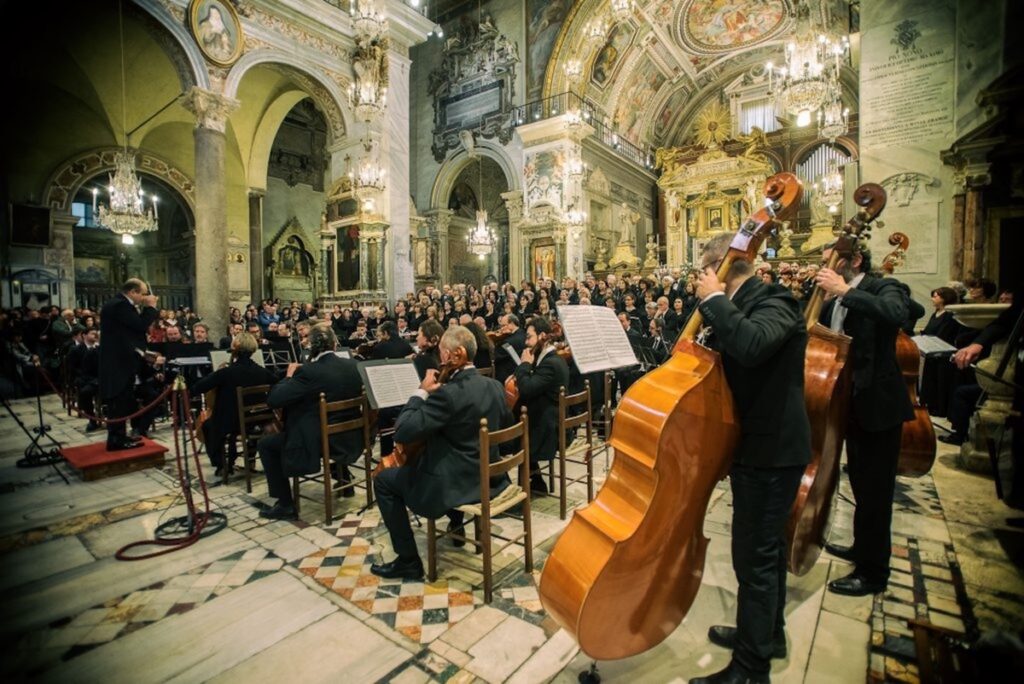
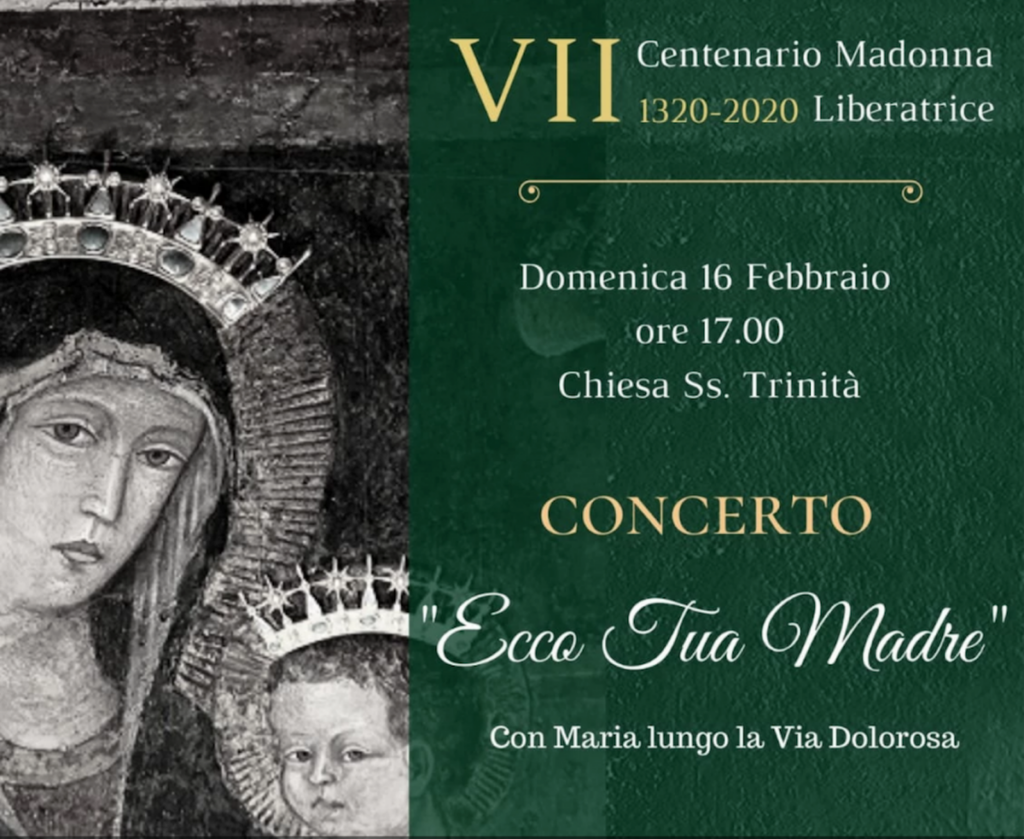
The Order develops its engagement in the sphere of culture as material and intangible heritage, of education, and of the promotion of history and the arts. The delegations organise open educational events at which lectures on historical, spiritual or artistic subjects alternate with visits to notable monuments, painting and photography exhibitions, and benefit concerts. The Order likewise provides its members with instruction in Church history, canon law, geopolitics, patristic theology, the history of diplomacy, modern philosophy and practical first aid – a combination befitting the aspiration to form well-rounded knights and dames who are capable of acting with presence and competence in society.
The International Dimension: Cultural Work on Three Continents
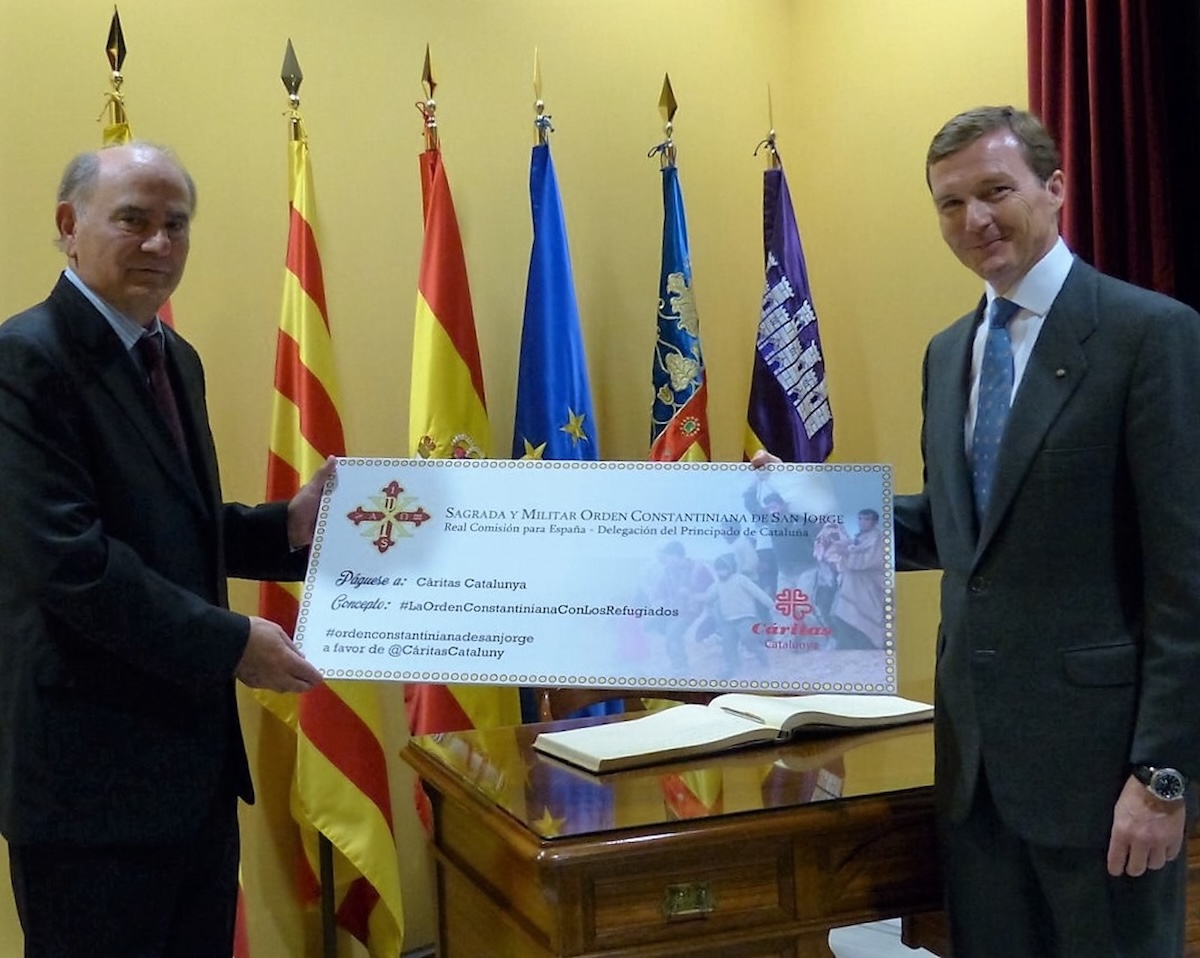
The cultural and educational engagement of the Order unfolds across several continents. Under Grand Master Don Pedro, the Order – which in Spain and Italy is supported by a foundation – is also active in Germany, Austria, Brazil, France, Liechtenstein, Luxembourg, Peru, Portugal, Great Britain and Sweden. In November 2023, by virtue of its special consultative status with the Economic and Social Council of the United Nations and its observer status with the UN Economic and Social Commission for Asia and the Pacific, the Order was invited to the seventh Asia-Pacific Population Conference of ESCAP. This presence at the international level underscores the Order’s understanding of culture and education as a universal, cross-border obligation.
Institutional Foundation: The Fondazione San Giorgio Italia ETS
The principal institutional vehicle for the Order’s cultural engagement in Italy is the Fondazione San Giorgio Italia ETS, which is registered in the Register of the Third Sector. It promotes education and research through cultural events and voluntary work, and is engaged in the valorisation of cultural heritage as well as the advancement of education and research, with a view to enlarging the social impact of its initiatives. The Foundation promotes academic and research endeavours, safeguards Italy’s historical and cultural heritage, and disseminates cultural and educational values through editorial, popular-scientific and artistic activities of public interest. The President of the Foundation is H.E. Prince Don Flavio Borghese; the Vice-President is Count Antonio Zanardi Landi; a member of the Board is H.R.H. Prince Jaime de Borbón-Dos Sicilias, Duke of Noto and Grand Prefect of the Order; Counsel and Director-General is the Nobile Alessandro Pompili, Baron of Denny.
Scholarly Foundations: The Standard Work on the History of the Order
The cultural and educational work of the Order encompasses the promotion of scholarly research into its own history. The most comprehensive and definitive work on the Religious and Military Constantinian Order of Saint George is the volume published in 2018 by Guy Stair Sainty, Vice Grand Chancellor of the Order, which appeared both in its original English edition and in a Spanish translation published by the Boletín Oficial del Estado (BOE), the official gazette of the Kingdom of Spain – an extraordinary distinction, as it represents the first English-language publication ever issued by the BOE.
Educational Programmes: Formazione Costantiniana and Digital Formats
In Italy, a comprehensive educational programme has been established under the name “Formazione Costantiniana”. The current course extends from May 2025 to April 2026 and is specifically dedicated to newly invested knights, postulants and those who wish to draw closer to the Sacra Milizia. In terms of content, the course covers an extraordinarily broad spectrum: from the religious nature of the Sacra Milizia, through the history and charism of the Order, its legal and canonical foundations, and the role of chivalric orders, to concrete modules on psychological first aid in disaster situations.
In addition to its in-person formats, the Order maintains a podcast as a digital educational medium. Previous episodes have addressed, among other subjects, the papal encyclical Gravissimum educationis on Christian education, Apostolicam actuositatem, Ad gentes, the social teaching of the Church, Christian economic ethics and integral humanism. The most recent podcast was devoted to the Christian paideia in Saint Augustine. This digital offering is accessible without barriers and open to all, not merely to enrolled members of the Order.
Scholarly Collaborations and University Partnerships
The Order maintains active collaborations with universities and research institutions. Within this framework, conferences are held regularly in Rome, at which senior ambassadors, diplomats and scholars address current topics. In October 2025, Ambassador Giusandrea Mochi Onory di Saluzzo analysed the theme of “Europe, Greenland and the United States of America”, setting out geopolitical developments surrounding the Arctic Ocean. In February 2026, Ambassador Filippo Scammacca del Murgo e dell’Agnone spoke on “My Africa”, recounting his experiences as an Italian diplomat on the African continent.
The Constantinian Museum in Parma and the Basilica of Santa Croce al Flaminio in Rome
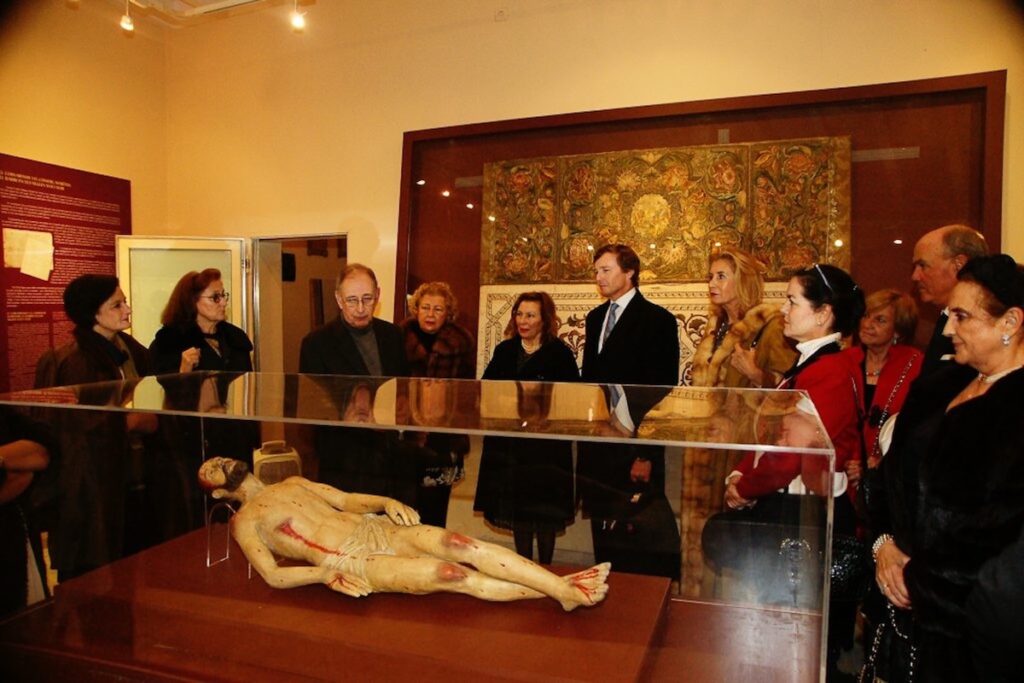
Amongst the Order’s permanent cultural institutions are the Constantinian Museum in Parma and the Basilica of Santa Croce al Flaminio in Rome, which serve as the spiritual and cultural home of the Order. They are places of custodianship of the historical heritage and function as centres for educational events, book presentations and scholarly symposia at which publications on the history of the Order, Catholic theology and European cultural history are presented.
Scholarship Programmes: Educational Support within the Order and in Development Assistance
The Order promotes education not only through its own events, but also through concrete financial support. In Great Britain and Ireland, the Order awards scholarships to seminarians as a targeted measure of educational support for the Order’s future membership. In Peru, the Order operates a vocational training programme as a form of development assistance, enabling disadvantaged young people to gain access to professional qualifications and thereby fostering cultural and economic participation.
Cultural Partnerships with Public Authorities: The Barcelona Exhibition
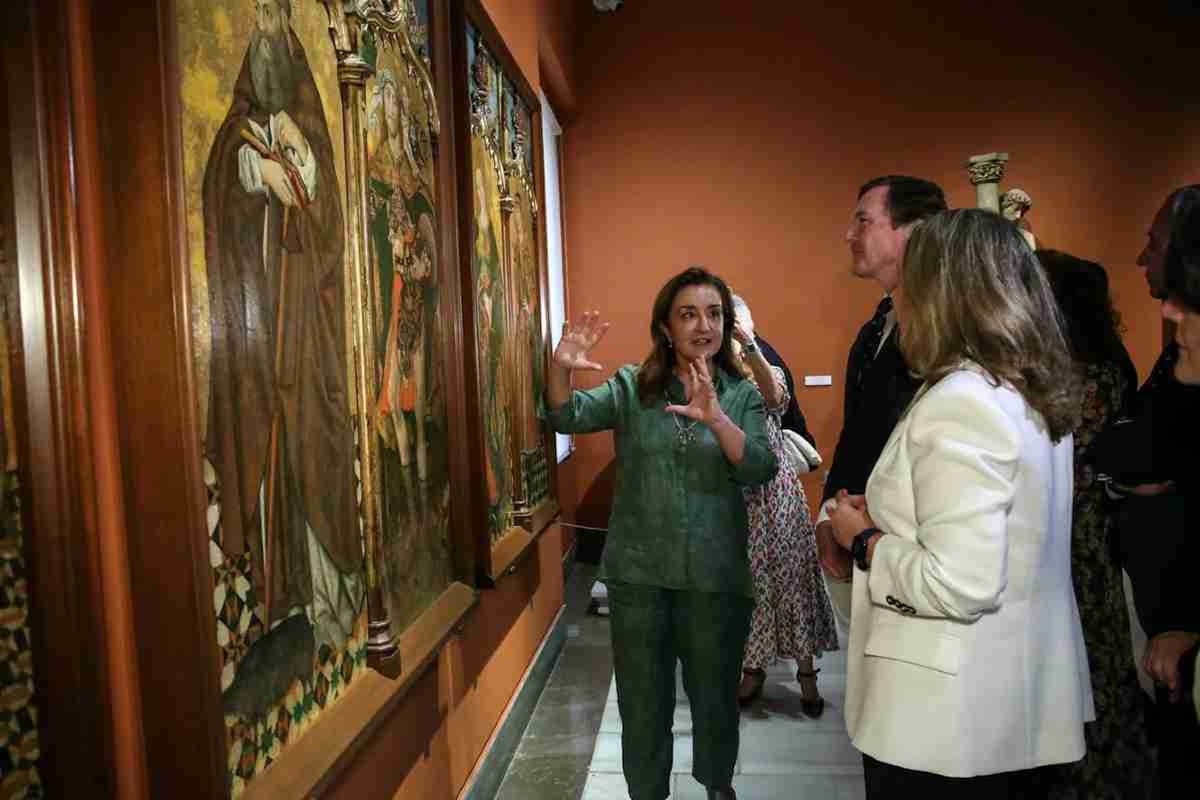
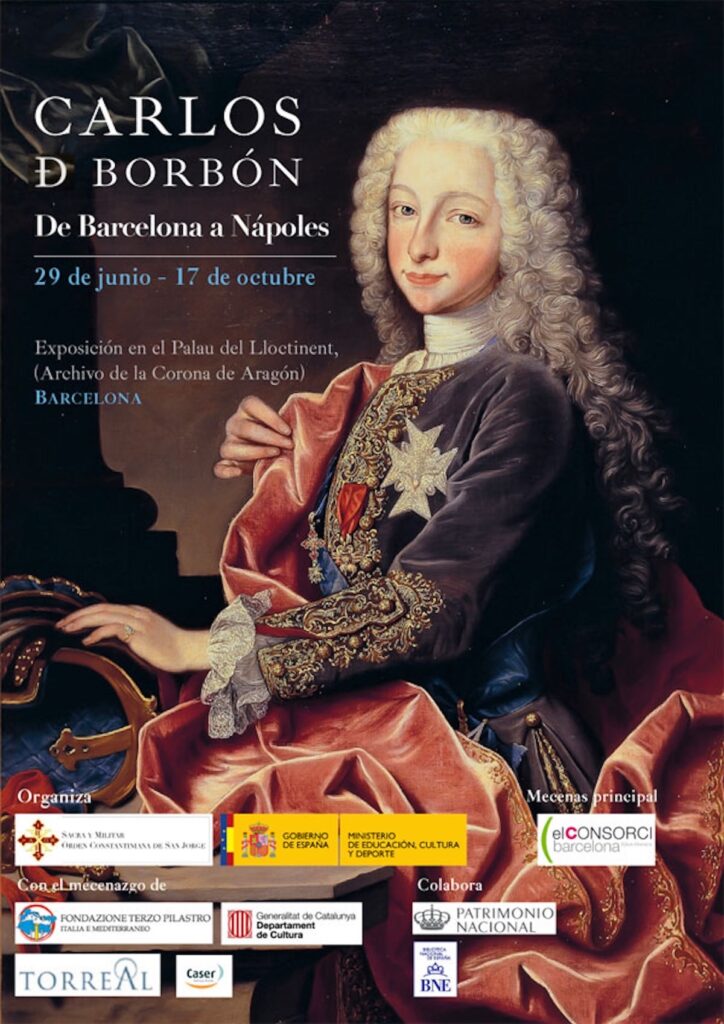
A particularly prominent example of the Order’s collaboration with public cultural institutions is the Barcelona Exhibition, in which the Order acted as a cultural partner of the public authorities. This cooperation underlines the fact that the Order does not act merely as an ecclesiastical body, but conceives of itself as an active participant in public cultural life – an aspiration that is equally reflected in its participation in cultural prizes and public cultural debates.
Specific Cultural Projects: Art Restoration, Commemorative Culture and Memorial Ceremonies
At the most specific level, the Order engages in concrete cultural projects. The Calabria Delegation participated in the restoration of the painting “Judith and Holofernes” in the Church of Maria Santissima del Rosario in Bagnara Calabra. On 14th June 2024, the Delegation was invited to the solemn ceremony marking the return of the restored painting. Furthermore, the Delegation has presented historical documents relating to commemorative culture and regularly organises memorial ceremonies on the history of the Kingdom of the Two Sicilies, thereby keeping the historical memory of southern Italy alive.
Cultural Prize for Peace and International Cultural Dialogue
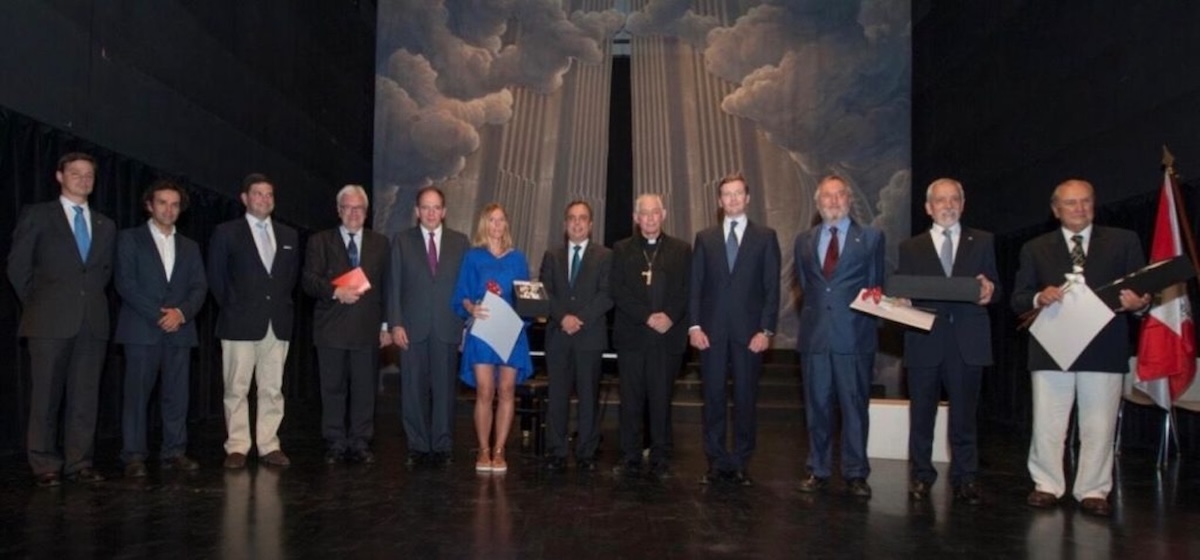
As an expression of its engagement in public cultural discourse, the Order participated in the award ceremony of a Cultural Prize for Peace at which the Israeli author David Grossman was honoured. In the fully attended basilica, the Mayor, the Public Prosecutor, the Rector of the University of Federico II and the Councillor for Tourism were present; the Order’s delegation attended in an official capacity. The participation underlines the Order’s self-understanding as an institution that does not act solely within the Church, but wishes to be present in public cultural discourse.
Spiritual Educational Journeys and the Inter-Delegational Chapter
In March 2026, the Delegation of Rome and Vatican City undertook its traditional pre-Easter spiritual retreat at the Sacro Speco of Subiaco, the monastic complex comprising the Monastery of San Benedetto and the Monastery of Santa Scolastica – one of the most important centres of Western spirituality. The programme included specialist guided tours of both monasteries, as well as the opportunity for personal reflection. The inter-delegational chapter of the southern Italian delegations furthermore provides a shared framework within which education is cultivated as a common path for the delegations – as an expression of the conviction that the Order’s cultural engagement must be rooted in the community.
Culture and Education as a Transatlantic Project
The cultural engagement of the Order is not a project confined to Europe, but a transatlantic endeavour. Since 2023, the American and British commissions of the Order have maintained a joint English-language website to make information about the Order’s international activities accessible in English. The United States Delegation, based in New York, demonstrated its capacity for networking and international solidarity during the COVID-19 crisis: a fundraising campaign mobilised widespread support from America for hospitals in southern Italy. This transatlantic commitment illustrates how cultural bonds may be translated into concrete acts of assistance – and how the Order understands its cultural identity as a bridge between the continents.
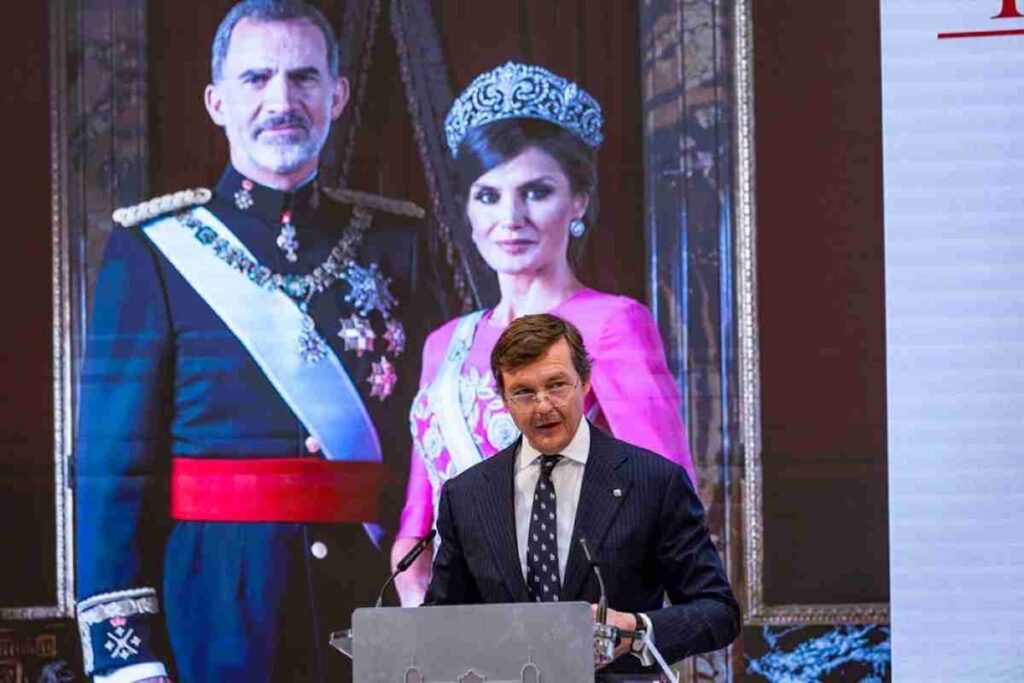
The Gala Dinner at the Palacio de Liria in Madrid, the historic seat of the Duke of Alba and one of the most distinguished private palaces in Europe, provides a further example of the combination of beneficent culture, social engagement and representative public life within which the Order moves. Culture and education remain for the Constantinian Order not abstract values, but a lived practice – from the scholarly monograph to the restoration project, from the scholarship to the gala dinner, from the podcast to the United Nations conference.